1. Product Overview
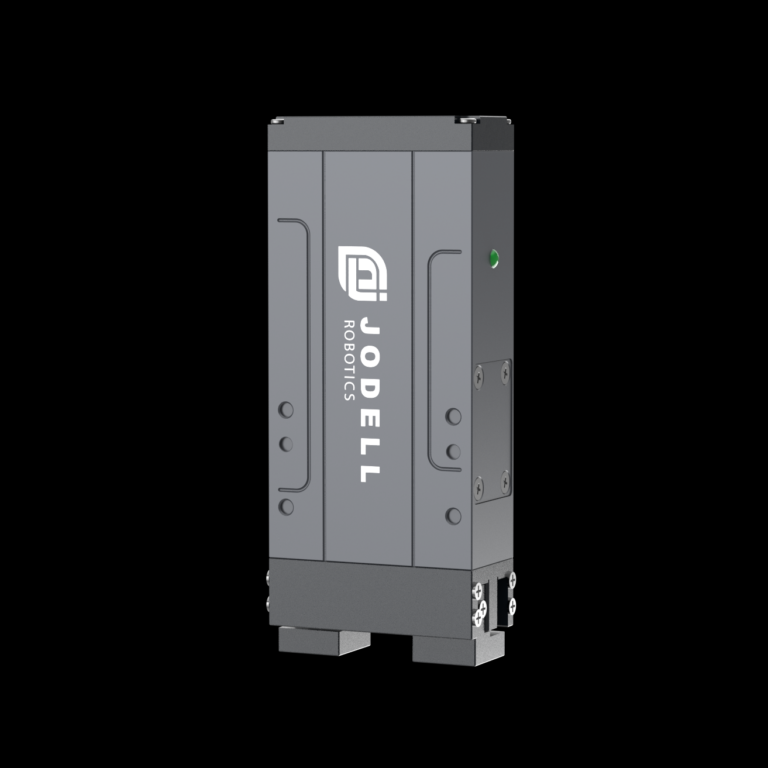
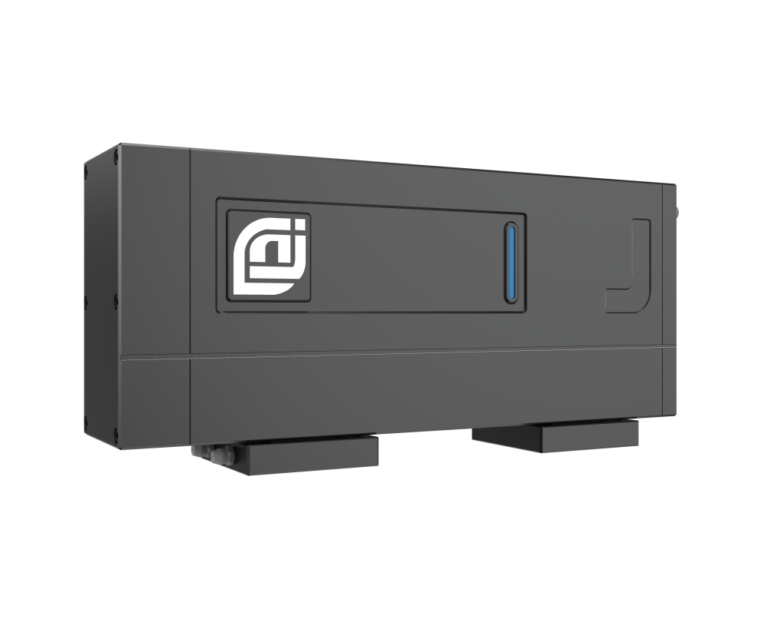
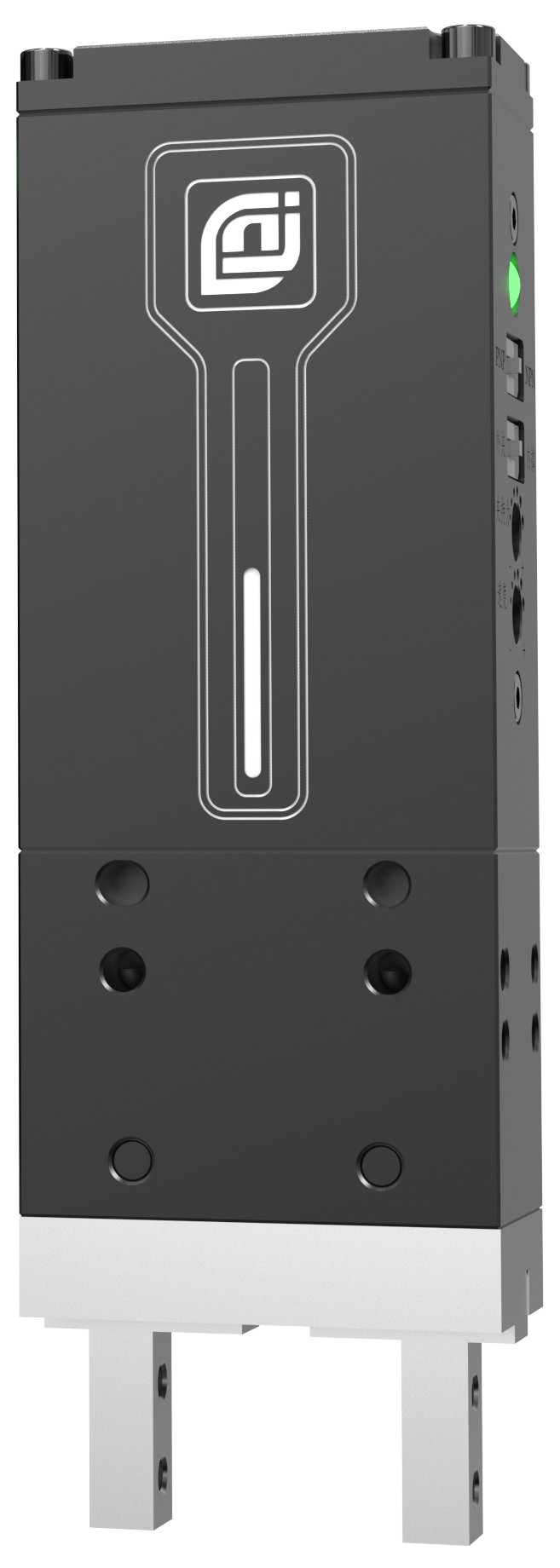
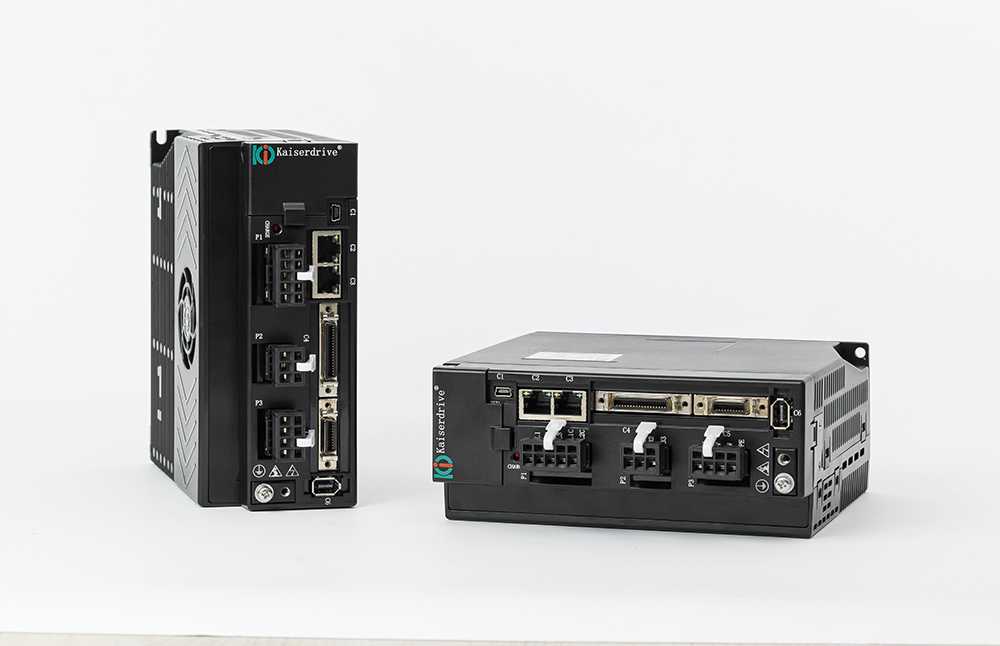
A Low Voltage Servo Drive is a high-performance motion control component designed specifically for low-voltage power environments, typically operating within DC 24V, 48V, 60V, or 80V.
It precisely drives low-voltage servo motors, achieving position, speed, and torque closed-loop control.
Compared to high-voltage servo drives, low-voltage versions offer distinct advantages in safety, size, cost, and energy efficiency, making them ideal for applications such as mobile robots, collaborative robotic arms, portable automation devices, and medical equipment.
In modern industrial automation and smart manufacturing, low voltage servo drives are not only reliable in fixed equipment but also excel in battery-powered mobile devices, providing stable operation over extended periods. They are a crucial technology in robotics and lightweight mechanical design.
2. Key Features & Advantages
1. Safe Low-Voltage Power Supply
Operates on 24V / 48V / 60V / 80V DC input, minimizing electric shock risks and meeting CE, UL, and other international safety standards. This makes them particularly suitable for human-collaborative systems such as cobots and service robots.
2. High Dynamic Response
Powered by advanced DSP, ARM, or FPGA cores, the current loop response time can reach microsecond levels, and the speed loop response time can be less than 1 ms, meeting rapid acceleration, deceleration, and frequent start-stop requirements.
3. Precision Control Performance
Supports triple closed-loop control (current, speed, and position), compatible with various encoder types (incremental, absolute, BiSS, SSI, EnDat, Hall sensors, etc.), achieving ±1 pulse positioning accuracy.
4. Versatile Communication & Control Interfaces
Offers CANopen, EtherCAT, RS485, Modbus, PWM, Pulse+Direction control options, enabling seamless integration with PLCs, industrial PCs, motion control cards, and embedded systems.
5. Compact & Easy to Integrate
Lightweight, small footprint, and suitable for embedded installation, making it ideal for space-constrained equipment or modular designs.
6. High Energy Efficiency & Low Heat
Uses low Rds(on) MOSFET technology to minimize conduction losses and heat generation, extending battery life in mobile devices.
7. Comprehensive Protection Features
Built-in overcurrent, overvoltage, undervoltage, overtemperature, and short-circuit protection ensure stable operation under all working conditions.
3. Technical Specifications (Example)
| Parameter | Range | Description |
|---|---|---|
| Supply Voltage | DC 24V / 48V / 60V / 80V | Multiple models available |
| Rated Power | 50W – 2kW | Supports various loads |
| Peak Current | 5A – 60A | Up to 3× rated current for short durations |
| Control Modes | Position / Speed / Torque | Flexible switching |
| Encoder Interface | Incremental, Absolute, BiSS, SSI, EnDat, Hall sensors | High compatibility |
| Communication Interface | CANopen, EtherCAT, RS485, Modbus, PWM | Flexible integration |
| Cooling Method | Natural cooling / Air cooling | Depends on power rating |
| Mounting Type | Embedded module / DIN rail | Flexible installation |
| Motor Compatibility | Low-voltage BLDC, low-voltage brushed servo, torque motor | Broad application |
4. Working Principle
The low voltage servo drive receives target commands (position, speed, or torque) from an upper controller and supplies the required current and voltage to the motor via its power stage.
Simultaneously, it reads feedback from encoders or sensors, compares it with the setpoint, and applies real-time control algorithms (PID, feedforward compensation, model predictive control, etc.) to calculate error compensation.
PWM modulation adjusts the switching of power devices, ensuring precise control of the motor’s motion status.
5. Comparison with High Voltage Servo Drives
| Feature | Low Voltage Servo Drive | High Voltage Servo Drive |
|---|---|---|
| Power Supply | DC 24-80V | AC 220V / 380V |
| Safety | Low electric shock risk | Higher electric shock risk |
| Applications | Mobile devices, compact machinery, human-collaborative robots | Large machinery, heavy-duty industrial equipment |
| Size & Weight | Smaller, lighter | Larger, heavier |
| Energy Use & Heat | Lower | Higher |
| Cost | Lower | Higher |
6. Typical Applications
- AGV / AMR Robots – Drive wheel hub motors for smooth motion and accurate navigation.
- Collaborative Robotic Arms – Control joint actuators for precise, safe, and compliant movements.
- Medical Equipment – Low-noise, stable drive for MRI, CT, and surgical platforms.
- Packaging & Electronics Assembly – Enable rapid start-stop cycles and precise positioning.
- Educational & Service Robots – Safe low-voltage operation suitable for non-professional users.
7. Selection Guide
- Determine Voltage Rating (24V, 48V, 60V, 80V)
- Calculate Power & Current Requirements (consider rated and peak demands)
- Match Motor Type (BLDC, brushed servo, torque motor)
- Choose Control Mode (Position, Speed, Torque)
- Select Communication Protocol (EtherCAT, CANopen, etc.)
- Check Installation & Cooling Requirements (embedded/DIN rail, natural/forced cooling)
8. Installation & Commissioning Recommendations
- Ensure stable, adequately rated power supply
- Follow manufacturer wiring diagrams for signal and power connections
- Use shielded cables to minimize EMI interference
- Start with low-speed tests before ramping up performance
- Record parameter settings for future maintenance
9. Maintenance & Care
- Regularly check terminal connections and interfaces
- Maintain adequate ventilation and cooling
- Clean dust and debris periodically
- Update firmware per manufacturer guidelines
- Avoid prolonged overload operation
10. Frequently Asked Questions (FAQ)
Q1: Can a low voltage servo drive run a high-voltage motor?
A: No. The motor must match the rated voltage range of the drive.
Q2: Can it be powered directly by batteries?
A: Yes. It’s highly suitable for battery-powered robots and portable devices.
Q3: How do I choose the right communication interface?
A: Select the protocol supported by your control system (PLC, IPC, MCU, etc.).